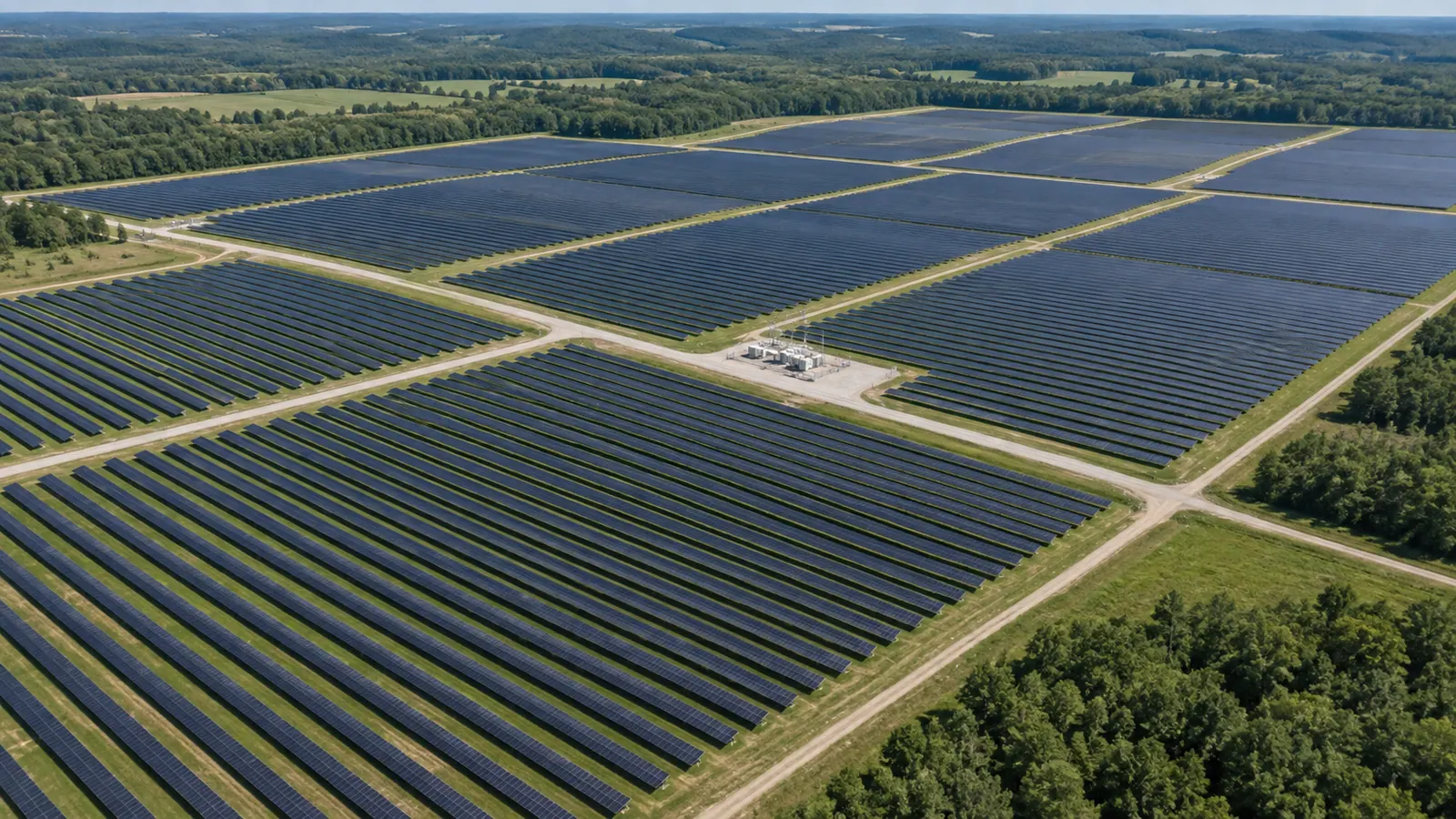
Ground Force Engineering designs the foundations that carry fixed-tilt and tracker racking: driven and helical piles embedded in the soils described by the site borings, and confirmed by pile load tests where the project includes them. Each pile is checked for compression, uplift and lateral load. Lateral demand from wind usually sets the embedment, so each pile is analyzed in LPILE with p-y curves built from the boring logs, and the schedule sets embedment, reveal, section and the corrosion allowance for the design life.
Beyond the array, we design foundations for inverters, transformers, switchgear and combiner skids, mats for battery enclosures, and we review racking packages supplied by vendors as an independent engineer. Because these sites are spread across many jurisdictions, we track the adopted code edition, wind and snow maps and frost depth in each of the nine states where our principal engineer is licensed.
Scope of services
- Racking pile schedules from SPT and CPT data, with embedment, reveal and section by zone
- LPILE lateral analysis of driven and helical piles under tracker wind loads
- Pile load test programs: compression, tension and lateral, and design revision from the results
- Refusal criteria and pre-drill provisions where borings show cobbles, cemented layers or rock
- Sacrificial thickness for corrosion, set from soil resistivity, pH and the required design life
- Spread footings and slab foundations for inverters, transformers, switchgear and combiner skids
- Mat foundations and anchorage for battery energy storage enclosures
- Third-party review of racking and foundation packages supplied by vendors
How we approach it
We start with the geotechnical report and the racking vendor's reaction loads, then build p-y soil models by boring cluster and run LPILE to set embedment for deflection and moment limits. Each zone is also checked for compression, uplift and, where the ground freezes, frost heave. Where a load test program exists, the design is calibrated to measured results and revised before production driving begins. The deliverable is a zoned pile schedule, equipment foundation drawings and a calculation package prepared to the code edition adopted where the site is.

Equipment skid on helical piles
- Inverter or other skid-mounted balance-of-system equipment.
- Steel skid frame distributing equipment loads to the supports.
- Pile cap plate with a positive, bolted attachment to the skid.
- Helical piles checked for gravity, uplift, lateral load and serviceability.
Who we work with
Solar and battery storage developers, EPC contractors and independent engineers.
Energy is the market that takes us across state lines. Developers and EPC contractors engage us for the racking piles and equipment pads on ground-mounted solar and storage sites, and owners' engineers bring us someone else's racking package to check. Our principal engineer is licensed in nine states, so one engineer can carry a portfolio from site to site, applying the code edition and local amendments adopted at each one.
Typical work
- Racking pile design from borings and load tests
- Inverter, transformer and switchgear pads
- Battery enclosure mats and anchorage
- Independent review of vendor racking packages
- Load test programs and interpretation of results
- Multi-state code and load map tracking
- Corrosion allowance and design life checks